


When it comes to your vehicle, tyres play a critical role in both safety and performance. Buying the right tyres can make a huge difference in how your car handles, performs, and even how much you spend on fuel. Here’s a guide to help you choose decent tyres for your vehicle.
1. Know Your Tyre Size and Specifications
Before you start shopping for tyres, make sure you know the correct size and specifications for your vehicle. You can find this information in your car’s manual or on the side of the current tyres. The size will look something like this: 205/55R16.
- 205: Width of the tyre in millimetres
- 55: Aspect ratio (height of the sidewall as a percentage of the width)
- R16: The diameter of the tyre in inches
It’s important to stick with the recommended size for your vehicle for optimal performance and safety.
2. Consider the Type of Tyre You Need
Tyres come in various types, each designed for different driving conditions. The main types are:
- All-Season Tyres: Perfect for mild climates with moderate temperatures. They are a good balance for everyday driving.
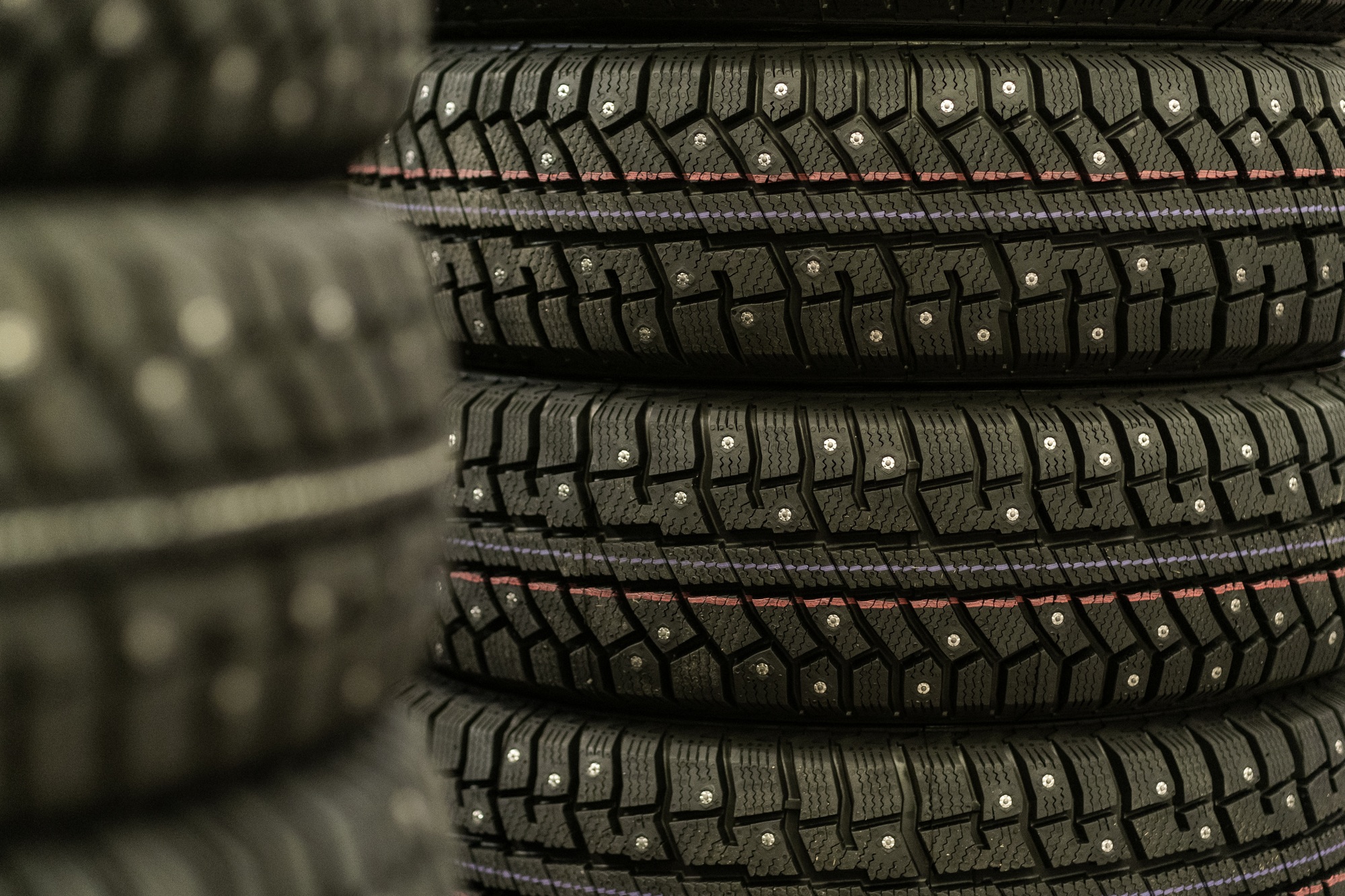
- Winter Tyres: Ideal for cold, snowy, and icy conditions. They provide better traction on cold roads.
- Summer Tyres: Designed for warm weather, offering superior handling and performance in dry and wet conditions.
- Performance Tyres: These are designed for high-speed driving and offer better cornering, braking, and acceleration.
Choose the type of tyre that best suits your driving environment and needs.
3. Pay Attention to the Tread Pattern
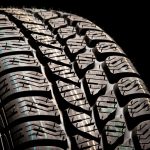
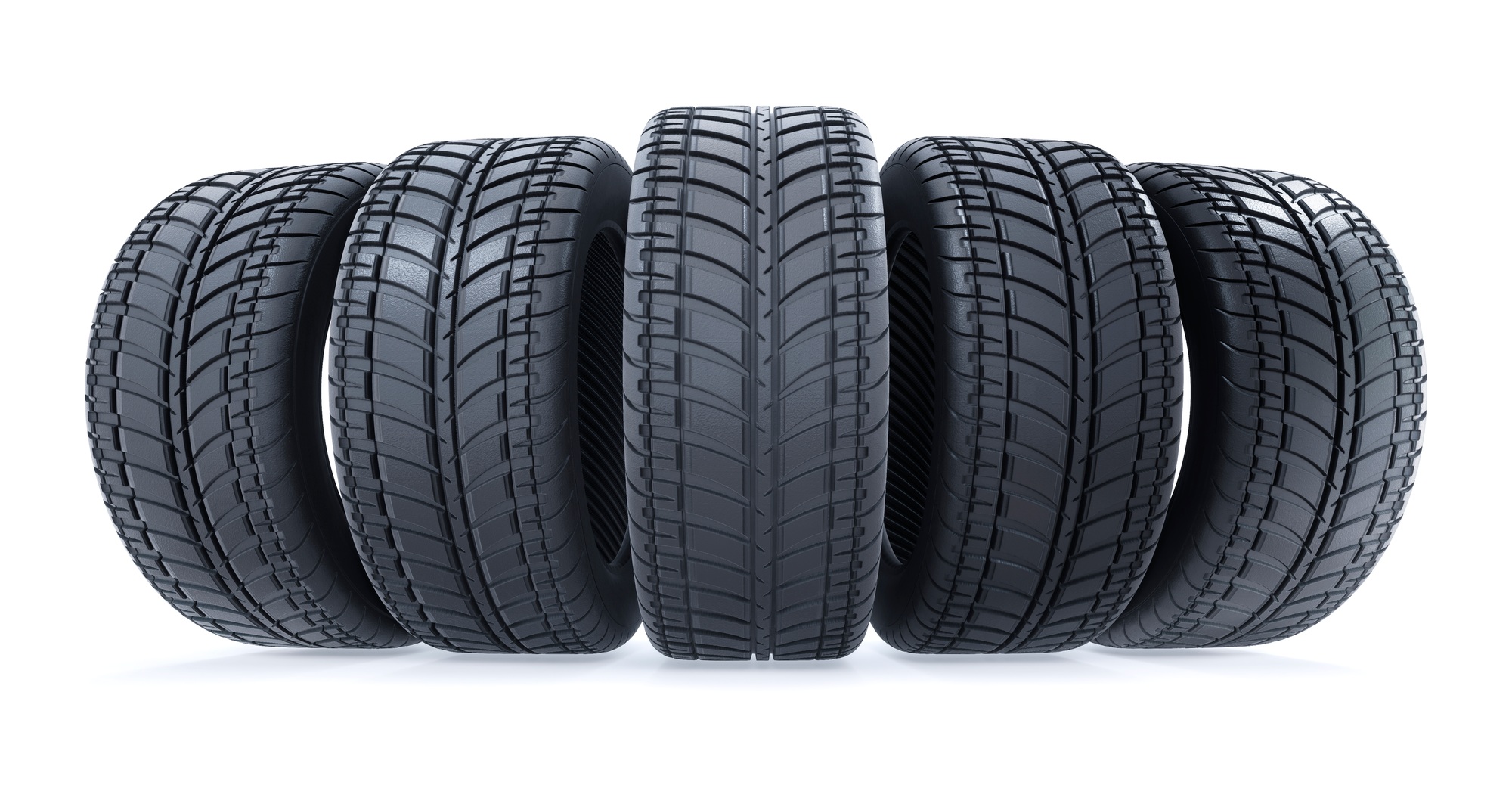
The tread pattern is essential for how well the tyre grips the road, channels water away, and performs under different conditions. There are several common types:
- Symmetrical Tread: Common on all-season tyres, providing a smooth ride and good traction in both dry and wet conditions.
- Asymmetrical Tread: Designed for better performance in handling and wet traction, often found on high-performance tyres.
- Directional Tread: These tyres are designed to work best in one direction, providing excellent traction in wet conditions.
Make sure the tread pattern matches your typical driving conditions.
4. Check the Tyre’s Speed Rating and Load Capacity
Tyres come with a speed rating, which tells you the maximum speed at which they can safely operate. Additionally, load capacity tells you how much weight the tyre can carry. Make sure the tyres you choose have the appropriate ratings for your vehicle.
5. Evaluate Quality and Brand Reputation
When it comes to tyres, quality matters. Opt for well-known brands with a good reputation for durability, performance, and safety. Some well-known brands include Michelin, Bridgestone, Goodyear, and Continental. While these may cost a bit more upfront, they offer better longevity and performance, making them a good investment in the long run.
6. Check for Warranty and Reviews
Look for tyres that come with a solid warranty. Many reputable brands offer warranties that cover defects, damage, or premature wear. You can also read reviews from other customers to get an idea of the tyre’s performance, durability, and comfort.
7. Shop Around for the Best Price
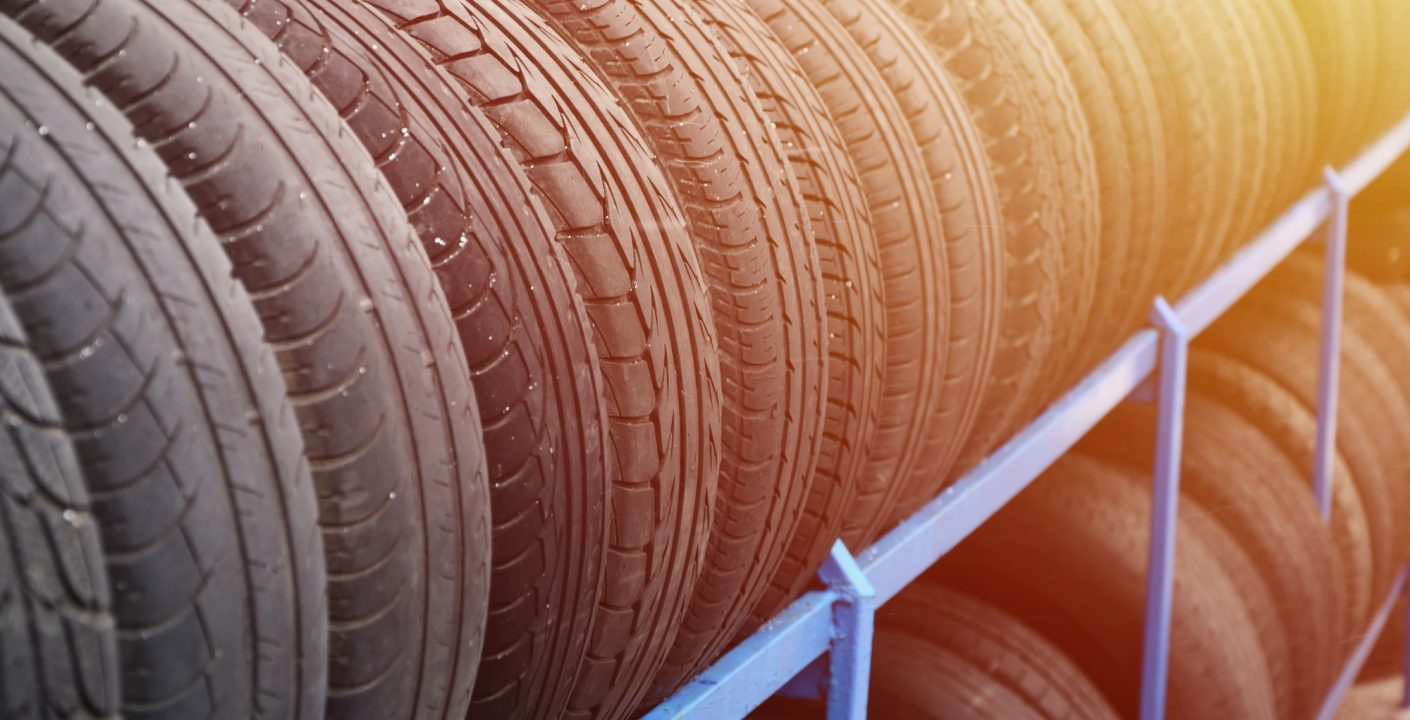
Once you have narrowed down your options, shop around for the best prices. You may find different prices for the same tyres at different retailers, so don’t settle for the first price you see. Consider both online and local tyre stores to compare prices and promotions.
8. Professional Installation
Once you’ve chosen the right tyres, have them installed by a professional. Incorrect installation can lead to safety risks and performance issues. Additionally, while you’re getting your tyres installed, consider having your wheels balanced and aligned to ensure optimal performance and longevity.
Conclusion:
Buying decent tyres is all about understanding your driving needs and matching them with the right tyre specifications. By considering factors like tyre type, tread pattern, quality, and price, you can ensure your vehicle performs safely and efficiently on the road. Take your time to make the right choice, and always opt for professional installation to get the most out of your tyres.