


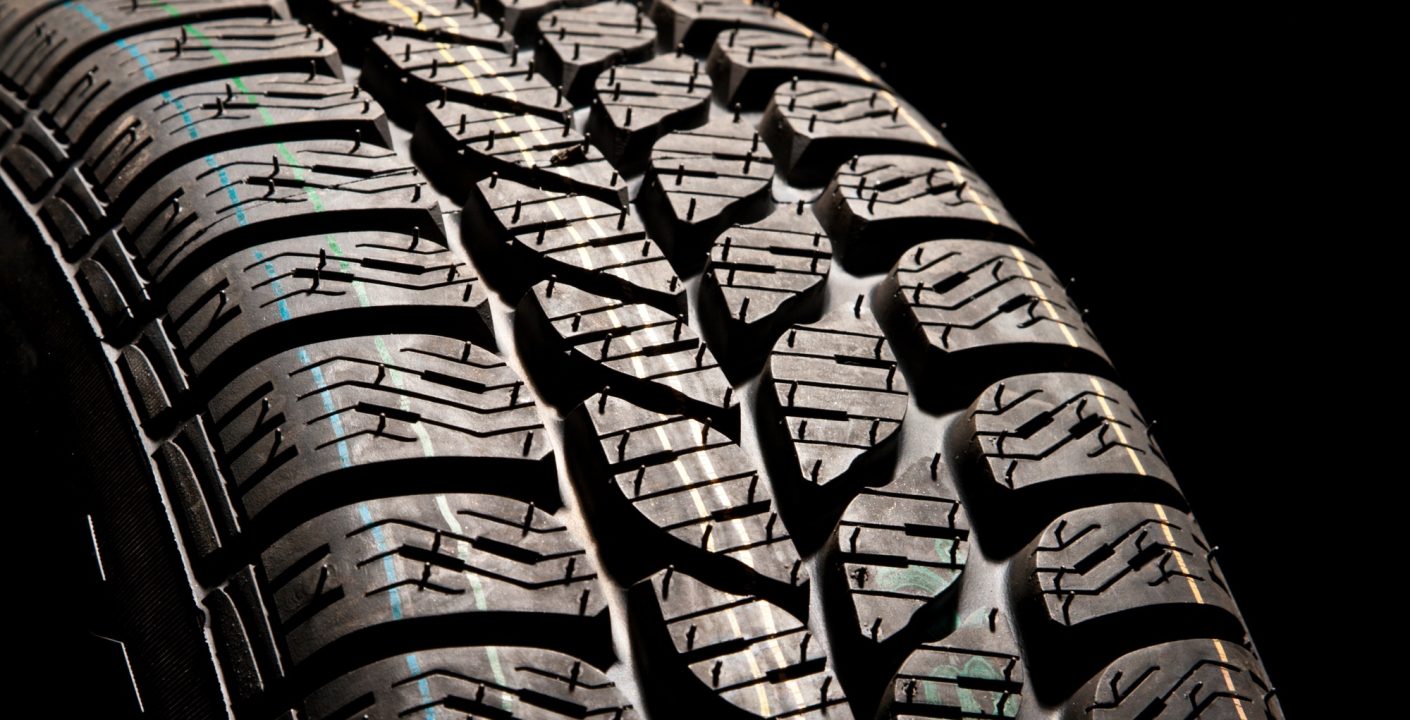
Tyres are the only contact point between your vehicle and the road, so ensuring they are in good condition is essential for safety. Driving on worn-out tyres increases the risk of accidents, poor handling, and longer braking distances. Here are the key signs that it’s time to replace your tyres.
Common Wear and Tear Indicators
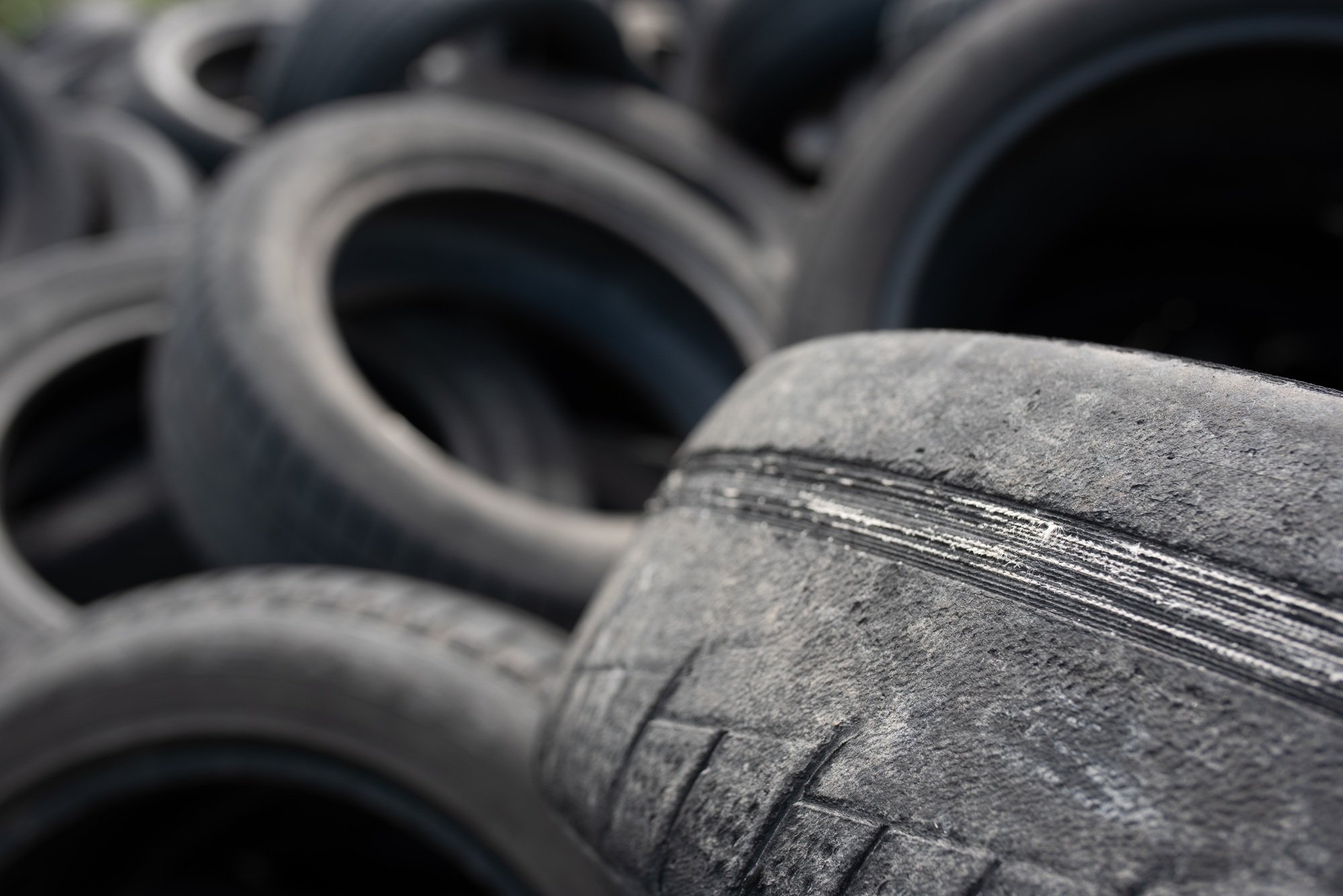
- Tread Depth Below 1.6mm – Most tyres have tread wear indicators; if they’re flush with the tread, it’s time for new tyres.
- Cracks on the Sidewall – This can be a sign of ageing or exposure to extreme weather.
- Bulges or Blisters – These indicate weak spots in the tyre structure, increasing the risk of blowouts.
How to Check Tyre Tread Depth Properly
A simple way to check tread depth is the “coin test”:
- Insert a coin into the tread grooves. If you can see the top of the coin, the tread is too shallow, meaning the tyre needs replacement.
The Dangers of Driving with Worn-Out Tyres
- Longer Stopping Distances – Worn tyres struggle to grip the road, especially in wet conditions.
- Higher Risk of Punctures – Thin rubber is more vulnerable to sharp objects.
- Reduced Fuel Efficiency – Bald tyres create more friction, making your engine work harder.
Expert Recommendations on Tyre Replacement Intervals
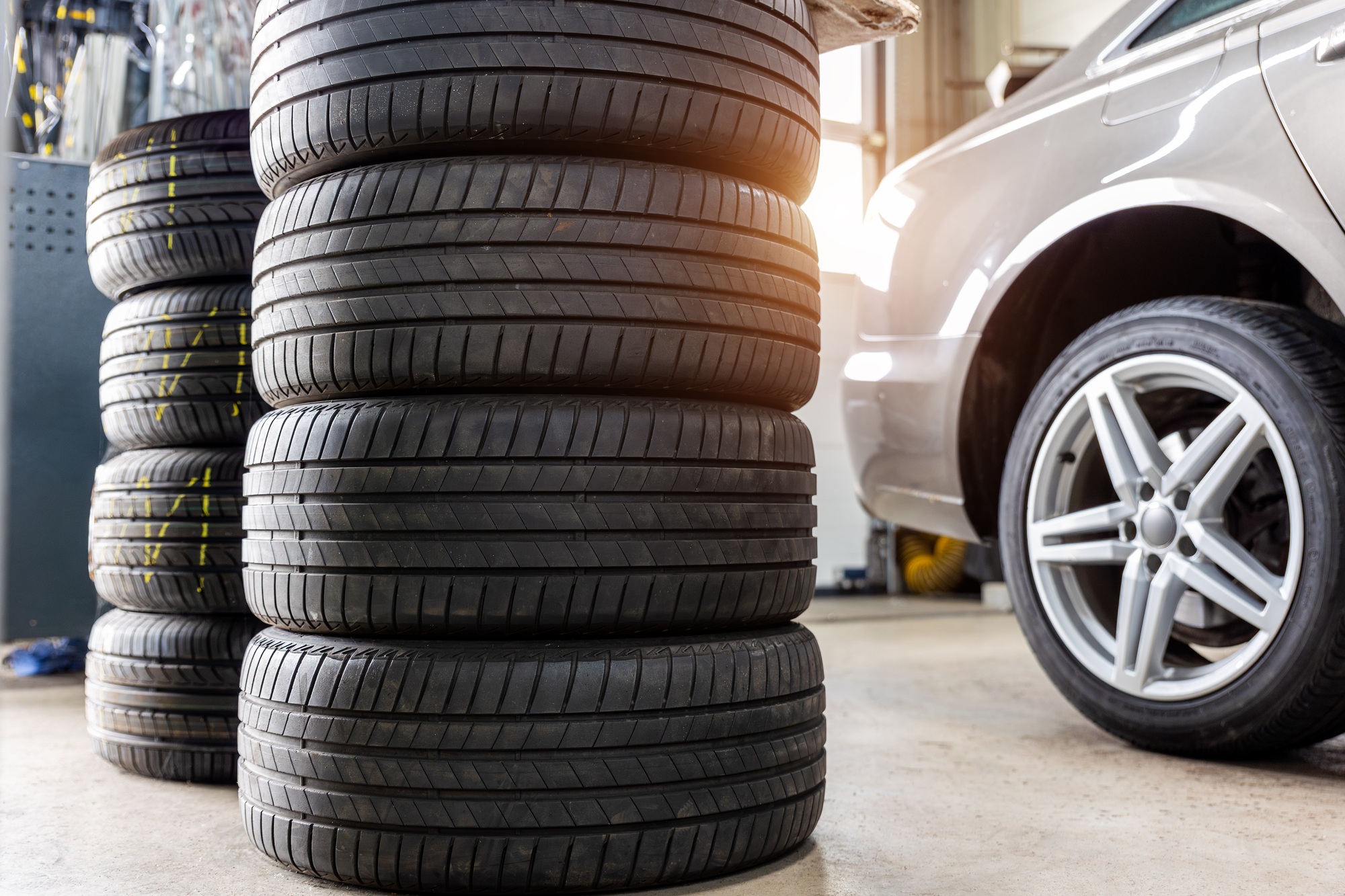
- Most manufacturers recommend replacing tyres every 5-6 years, even if the tread appears fine.
- If you drive frequently or in harsh conditions, you may need replacements sooner.
- Always buy quality tyres from reputable brands to ensure safety and performance.
Staying proactive about tyre maintenance can save you money and, more importantly, keep you safe on the road.